Brown rings and stains that keep growing
We trace the stain back to the source, stop the water, then dry and rebuild. If you are asking why is water leaking from my ceiling in Bryan Texas, this is the call to make before the ring gets bigger.
Ceiling Water Damage Repair Bryan TX homeowners can count on starts with finding the water, not painting over it. We handle burst pipes, roof leaks, and AC condensation across Brazos County, dry the structure with commercial equipment, then rebuild the drywall so the ceiling looks like nothing happened. Call and we roll a truck today.
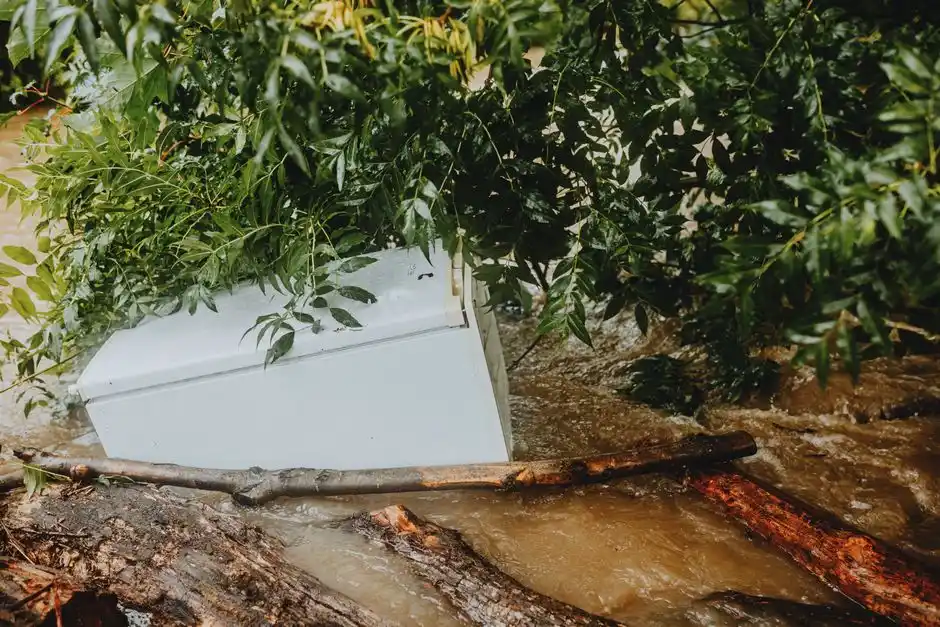
Ceiling Water Damage Repair Bryan TX is a two-part trade: stop the water, then rebuild the ceiling. Water travels along joists and pools where you least expect it, so we map the moisture with a thermal imaging camera and a moisture meter before we cut anything. Sagging drywall comes down, wet insulation gets pulled, and the cavity dries under air movers and a dehumidifier. Only then do we hang new drywall, tape, texture, and paint to match.
Bryan homes take ceiling water on a schedule. November through February, frozen pipes and burst supply lines send water through second-floor ceilings. Spring storms push rain past aging shingles and flashing. Year-round, AC condensate lines clog in attics and drip straight down. If you are searching for ceiling water damage repair near me Bryan, the leak is usually older than the stain. We find the source first so the repair holds.
Every ceiling job starts with the same core scope: find the source, dry the structure, and rebuild the surface. What changes is how much material has to come out. Here is what our standard ceiling repair covers, and where a job can expand once we see what is behind the drywall.
We use a thermal imaging camera, moisture meter, and boroscope camera to find the source and measure how far the water traveled. This is included on every job and takes 30 to 60 minutes.
Standing water is extracted, and air movers and a dehumidifier run for two to four days. We log hygrometer readings daily so you know the cavity is dry before rebuild.
Sagging drywall and saturated insulation come out. We cut clean lines, protect your floors with plastic sheeting, and haul the debris away.
Exposed framing and the surrounding cavity get an antimicrobial solution to stop mold growth. This is standard on every ceiling repair, not an add-on.
New drywall is hung, taped, and textured to match the existing ceiling, then primed and painted. We blend the repair so you cannot see where the damage was.
Photos, moisture readings, and an Xactimate scope are prepared for your claim. We bill most major carriers directly so you are not fronting the full cost.
You call (979) 325-7976 and describe what you see: a brown ring, a bulge, water dripping at a light fixture. We ask you to kill power to that circuit and put a bucket down. A tech is dispatched, and for active leaks we aim to be on site the same day.
We inspect with a thermal imaging camera, moisture meter, and boroscope camera to find where the water entered and how far it spread. This takes 30 to 60 minutes and tells us whether we are drying a small area or opening a larger section of ceiling.
Standing water comes out with a water extraction unit. We remove saturated insulation and any drywall that has lost structural integrity. Air movers and a Phoenix dehumidifier run for two to four days, monitored daily with a hygrometer until readings are normal.
Affected framing gets an antimicrobial solution, and we replace insulation and drywall. Joints are taped, texture is matched, and the ceiling is primed and painted. Most rebuilds take one to two days after the structure is dry.
We re-check moisture, confirm the leak is fixed, and walk the room with you. You get documentation of the readings and the completed repair for your insurance file, plus a workmanship warranty on the rebuild.
Purpose-built equipment, used by trained technicians — so the job is done accurately the first time.
Shows temperature differences behind drywall so we can see where water traveled without cutting open the whole ceiling.
Measures moisture content in drywall, framing, and the air. We log readings daily to confirm the cavity is dry before rebuild.
A small camera on a flexible probe that lets us inspect inside the ceiling cavity through a quarter-inch hole.
Pull moisture out of the air so wet framing and drywall can dry. We size the unit to the cubic footage of the affected area.
Keep air moving across wet surfaces to speed evaporation. The negative air machine contains dust and mold spores during removal.
Removes standing water from the ceiling cavity and the floor below before drying equipment is placed.
Neutralizes musty odors left behind by wet insulation and drywall after the structure is dry.
A supply line burst during a January freeze and ran for hours before the homeowner woke up. The kitchen ceiling was sagging, insulation was soaked, and water had reached the cabinets.
We extracted the water, removed the sagging drywall and wet insulation, and dried the cavity for three days. New drywall, texture, and paint went in on day five. Moisture readings returned to normal across the whole ceiling.
A clogged condensate line dripped onto a hallway ceiling for weeks. A brown ring had spread to two feet across, and the drywall was soft to the touch.
We cleared the line, dried the cavity with air movers and a dehumidifier for two days, and replaced the affected drywall. The ceiling was textured and painted to match, with no visible repair line.
Hail damaged shingles in a spring storm, and the next rain sent water through a bedroom ceiling. The stain was spreading, and the homeowner was worried about mold.
We documented the storm loss, dried the ceiling cavity for three days, and rebuilt the drywall once the roof was repaired. The insurance scope covered the ceiling work, and the room was back in use within a week.
Ceiling water damage rarely stays contained. These are the four problems Bryan homeowners call us about most, and what happens when they are left alone.
Ask a pro →We trace the stain back to the source, stop the water, then dry and rebuild. If you are asking why is water leaking from my ceiling in Bryan Texas, this is the call to make before the ring gets bigger.
We cut out the sagging section, extract the water, dry the cavity, and replace the drywall. The repair is fast once the structure reads dry on a moisture meter.
Kill the breaker and call us. We find the leak, dry the ceiling, and coordinate with an electrician if the wiring was affected before we close the ceiling back up.
We dry to IICRC standards and log readings before rebuild, so this does not happen. If another contractor already closed a wet ceiling, we inspect, remediate, and rebuild it correctly.
“A pipe burst above our kitchen during the January freeze and water was dripping through the ceiling by morning. Bryan Restoration Pros had air movers running that afternoon and replaced the drywall and insulation within the week. They documented everything for our insurance and the ceiling matches perfectly. No mold, no smell, no second leak.”
Marcus T.Homeowner, Carter Creek
✓ Verified“We had a brown ring spreading across the living room ceiling from an attic AC line. They found the clogged condensate line, dried the cavity for three days, and rebuilt the ceiling. The tech showed me the moisture readings each visit so I knew it was actually dry before they closed it up. Honest work.”
Danielle R.Homeowner, The Traditions
✓ Verified“Storm damage put water through the ceiling of one of our rentals. Their crew tarped, extracted, and had the ceiling repaired in under a week, which kept the tenant in place. They billed the insurance directly and sent us the documentation. We use them for every water call now.”
Ray P.Property Manager, Downtown Bryan
✓ VerifiedMost ceiling repairs in Bryan run $450 to $1,800 in 2026, depending on square footage, whether insulation and drywall must be replaced, and how much drying is needed. A small stain with no sagging sits at the low end. A collapsed section with soaked insulation and a burst pipe pushes higher. We give you a written scope before work starts.
Yes, in most cases. Drywall that is stained but structurally sound can often be dried, sealed, and repainted. Sagging, crumbly, or moldy drywall has to come down and be replaced. We check moisture content first, because a ceiling that reads wet inside will fail again if it is simply painted over.
Drying takes two to four days with air movers and a dehumidifier. The rebuild, including new drywall, texture, and paint, usually adds one to two days. A straightforward repair is often finished within a week. Larger losses involving a burst pipe or roof leak can run longer if structural framing needs attention.
The four we see most: frozen pipes that burst in winter, roof leaks from storm damage or worn flashing, clogged AC condensate lines in attics, and appliance or supply-line failures on upper floors. Slab leaks and sewage backups also send water up through walls. Finding the actual source is the first thing we do on every call.
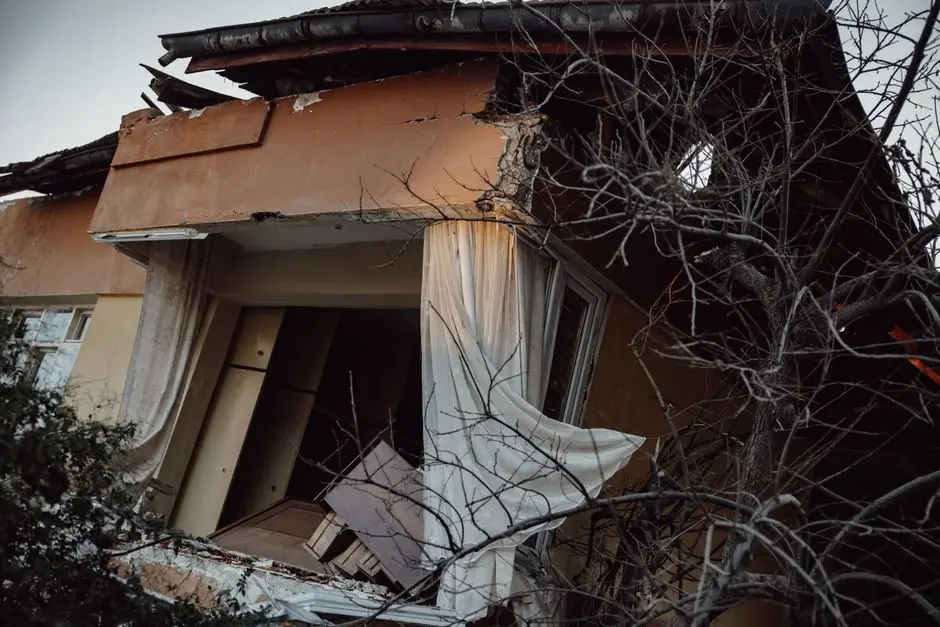 Water Damage RestorationWhen ceiling damage is part of a larger loss, we dry and restore the whole structure. Bryan homeowners get one crew handling walls, floors, and ceilings instead of three separate contractors.Explore →
 Emergency Water RemovalStanding water under a collapsed ceiling comes out fast with our extraction units. We remove it before it reaches flooring, then start drying the ceiling cavity the same visit.Explore →
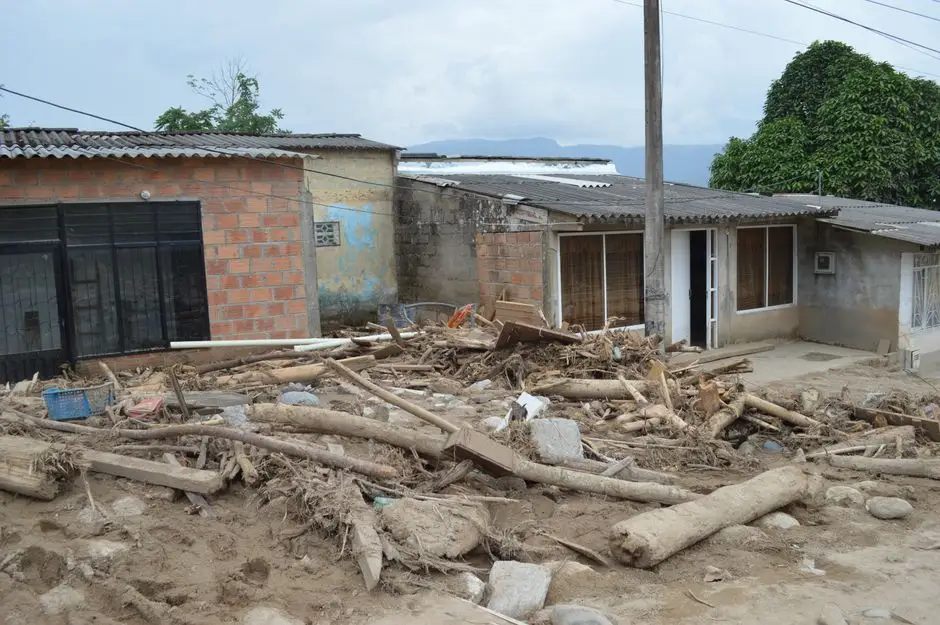 Flood Damage CleanupFloodwater carries contaminants that a standard ceiling repair does not address. We handle extraction, sanitization, and rebuild so the ceiling and the room above it are safe to use again.Explore →
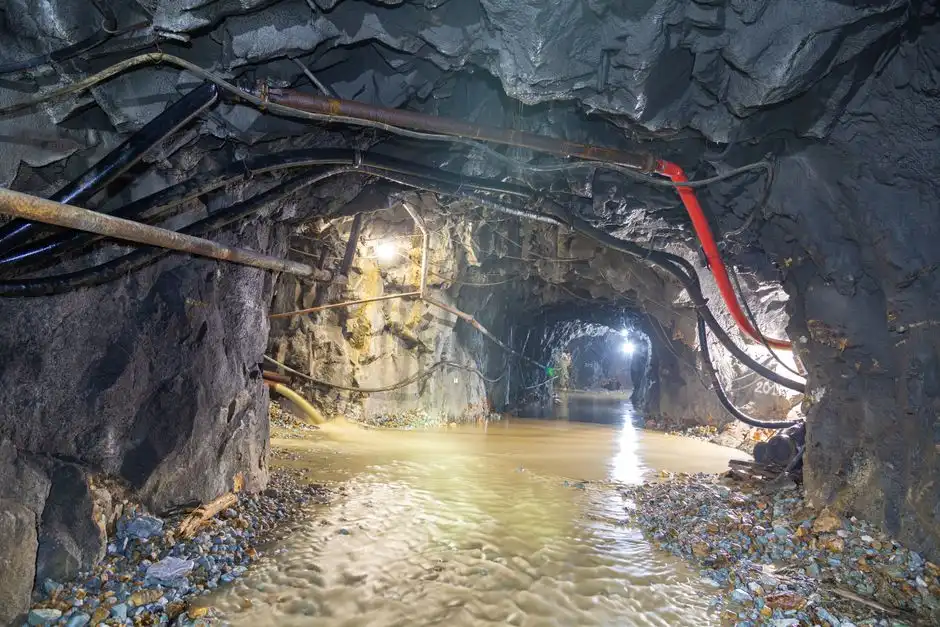 Water Extraction ServicesPortable and truck-mounted extraction pulls water out of soaked drywall, insulation, and carpet padding. It is the first step before any ceiling repair in Bryan TX can begin.Explore →
 Basement Water RemovalWater that reaches a basement often started higher up. We trace it back, remove standing water below, and repair the ceiling above so the same leak does not repeat.Explore →
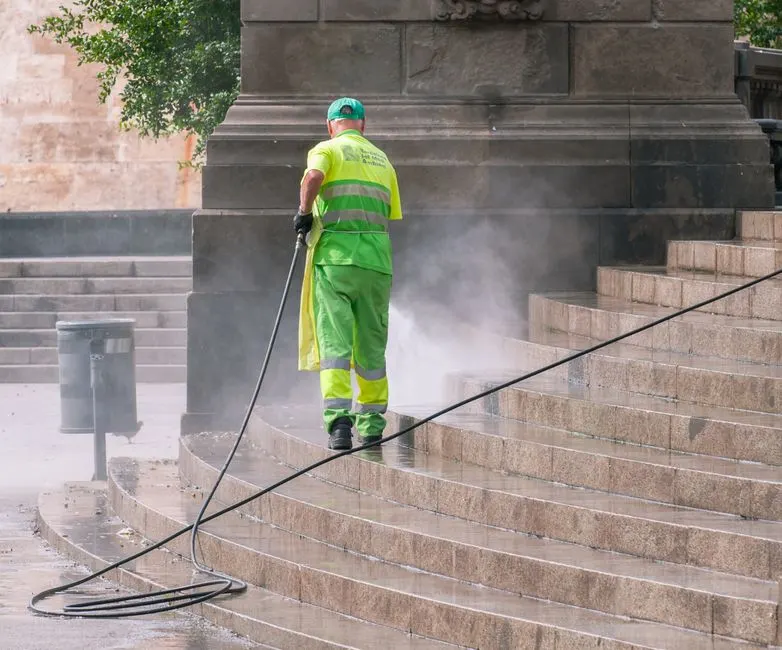 Crawl Space Water RemovalCrawl space moisture drives humidity up into the floors and ceilings above it. We remove the water and dry the space so ceiling repairs actually hold.Explore →
 Sewage Backup CleanupA sewage backup that reaches an upper-floor bathroom can soak the ceiling below. We handle biohazard cleanup and then rebuild the damaged ceiling to code.Explore →
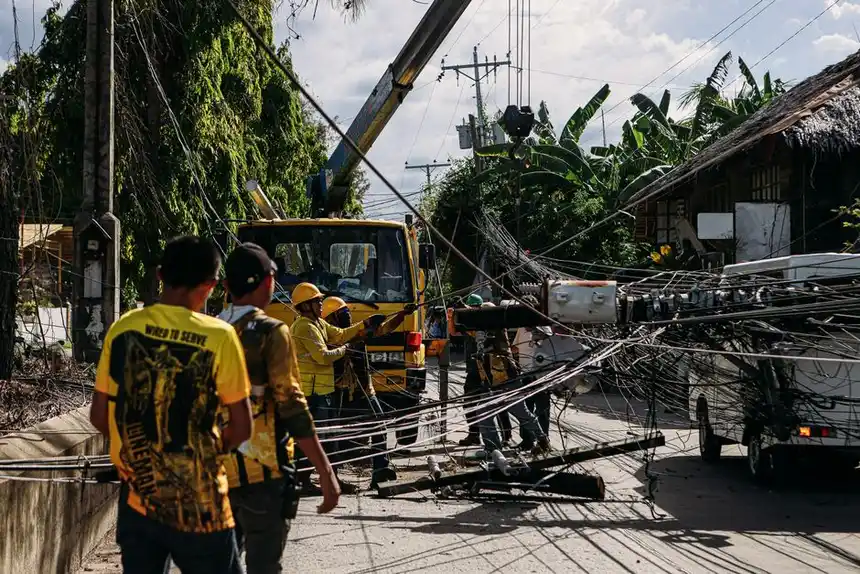 Storm Damage RestorationHail and wind tear shingles and flashing, and the next rain lands in your ceiling. We tarp, dry, and rebuild, and we document the storm loss for your insurance claim.Explore →
Water is still moving through your ceiling right now, and every hour raises the odds of mold and a bigger repair. Call (979) 325-7976 and we will dispatch a crew, find the leak, and give you a straight scope before we cut anything.
Call Now (979) 325-7976 →If you have water damage, call us at (979) 325-7976. We answer 24/7 and dispatch crews around the clock. If you prefer email, send us a message at info@bryanrestorationpros.com and we will get back to you quickly. We serve all of Bryan and Brazos County, including ZIP codes 77801, 77802, 77803, 77805, 77807, and 77808.