Water sitting overnight after a pipe burst
We extract the same day, cut the drywall to the flood line, and dry the wall cavity with air movers and dehumidifiers. Getting to it fast is what keeps the repair small.
When water is rising in your home, every hour counts. Flood Damage Cleanup Bryan TX from our IICRC-trained crew means extraction, structural drying and sanitizing start the same day you call. We handle burst pipes, sewage backups, storm flooding and roof leaks for homeowners and businesses across Bryan, Texas, and we bill insurance directly so you are not fronting the whole job out of pocket.
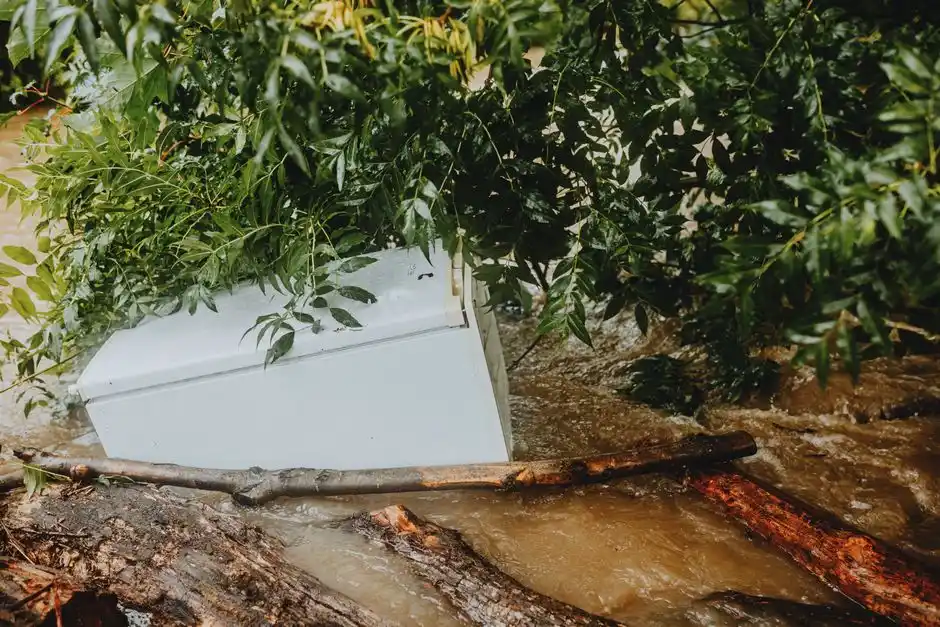
Flood Damage Cleanup Bryan TX is the process of removing standing water, extracting what is trapped in carpet and drywall, and drying the structure back to safe moisture levels before mold takes hold. It is not a shop vac and a box fan. We use moisture meters, thermal imaging cameras and hygrometers to map exactly where the water traveled, then place Dri-Eaz and Phoenix Restoration Equipment air movers and dehumidifiers to pull it out. Most Bryan homes dry in three to five days when we start within 24 to 48 hours.
Brazos County sits on clay soil that sheds water slowly, so a two-inch rain can push water into slab foundations, garages and low crawl spaces fast. Add the freeze events that crack supply lines and the summer storms that back up municipal drains, and you get the two calls we run most: flooded home cleanup and drying after a storm, and pipe burst cleanup in the middle of the night. If you are searching for flood damage cleanup near me Bryan, call (979) 325-7976 and we will be on the road.
Every flood cleanup job is scoped to the actual loss, but these are the core items that come standard on a Bryan flood call. Anything beyond this, like full reconstruction or contents storage, gets priced separately and approved before we start.
Truck-mounted and portable extraction units remove standing water from carpet, padding, tile, concrete and hardwood. We extract until the surface is dry to the touch, then switch to drying equipment.
Moisture meters, thermal imaging cameras and hygrometers map where the water went. You get photos and daily readings, which double as your insurance documentation.
Air movers and dehumidifiers are placed by calculation, not by eye. We size the equipment to your square footage and adjust the layout as the readings drop.
Affected framing, subfloor and wall cavities get an antimicrobial solution to stop mold before it starts. This is standard on every water loss, not an upsell.
Saturated carpet padding, baseboards, insulation and drywall that cannot be saved get removed and hauled off. We cut to the flood line so the repair is clean.
Once the structure is dry, we apply disinfectant to affected surfaces and treat odor with an ozone generator or hydroxyl unit. The job is not done until the air smells clean.
You call (979) 325-7976 and describe what happened. We ask about the water source, how long it has been sitting, and whether sewage is involved. You get an arrival window on the spot, and we walk you through shutting off the water and killing power to affected rooms before we get there.
On arrival we inspect with a moisture meter, thermal imaging camera and boroscope camera to find water hiding behind baseboards, under hardwood and inside wall cavities. You see the readings and the photos. This usually takes 45 to 90 minutes on a typical Bryan home.
Truck-mounted and portable water extraction units pull standing water out of carpet, padding and hard flooring. A flooded living room can hold 100 to 300 gallons. We extract, pull wet carpet padding, and remove baseboards where water has wicked up the drywall.
We place air movers and dehumidifiers based on the moisture map, not guesswork. Equipment runs 24 hours a day and we return daily to log readings with a hygrometer and infrared thermometer. Most structures hit dry standard in three to five days.
Once framing is dry we apply disinfectant and antimicrobial solution to affected surfaces, run an ozone generator or hydroxyl treatment for odor, and do a final moisture check. You get a written drying report with before-and-after readings for your insurance file.
Purpose-built equipment, used by trained technicians — so the job is done accurately the first time.
Measures moisture content in drywall, wood and concrete, and tracks relative humidity in the air. These readings tell us when a structure is actually dry, not just dry to the touch.
Reveals temperature differences that point to hidden water behind walls, under floors and above ceilings. It is how we find the wet spots you cannot see.
A flexible camera that goes inside wall cavities and under cabinets to confirm water and check for mold growth in spaces we cannot open up.
High-velocity fans that break the boundary layer of moisture on wet surfaces so evaporation speeds up. We position them by the moisture map and adjust daily.
Pull moisture out of the air so wet materials dry from the inside out. Essential in Bryan, where outdoor humidity stays high and slows natural drying.
Creates negative pressure in a contained work zone so mold spores and dust do not spread to clean areas of the home during remediation.
Neutralizes smoke, sewage and flood odor at the molecular level after the structure is dry. We use it in unoccupied spaces only, with proper clearance times.
A supply line under the kitchen sink let go at 11 p.m. and ran for four hours before the homeowner woke up. Standing water covered 600 square feet of hardwood and tile, and moisture had wicked up the drywall 14 inches.
We extracted 180 gallons, removed the wet baseboards and cut the drywall to the flood line. Drying equipment ran for four days. Final moisture readings were within two points of dry standard across all affected rooms.
A root-blocked sewer lateral backed raw sewage into a ground-floor bathroom and hallway of a 1948 home. Carpet, padding and the bottom 12 inches of drywall were contaminated and had to come out.
We contained the area, removed 220 square feet of contaminated material, applied EPA-registered disinfectant, and dried the framing over five days. The space tested clean and the homeowner repainted after reconstruction.
Three inches of rain in 90 minutes pushed water under the garage door and into a finished laundry room. Water sat against the slab and lower drywall for about six hours before the homeowner called.
We extracted the standing water, removed saturated baseboards and insulation, and dried the slab and framing in three days. Moisture readings came back to baseline and no mold growth was found at the follow-up check.
Most flood calls fall into a handful of patterns. Here are the ones we see most in Bryan, and what happens if they are ignored.
Ask a pro →We extract the same day, cut the drywall to the flood line, and dry the wall cavity with air movers and dehumidifiers. Getting to it fast is what keeps the repair small.
We contain the area, remove contaminated material, apply EPA-registered disinfectant, and dry the structure. Full documentation goes to your carrier so the claim covers the regulated disposal.
We trace the intrusion with thermal imaging, extract from the carpet and pad, and dry the slab and framing. We also identify where the water came in so you can address it before the next storm.
Our boroscope camera and moisture meter find water behind finished surfaces. We open the wall, dry the cavity, treat with antimicrobial, and close it back up once readings are dry.
“A supply line let go under the kitchen sink at 11 p.m. and by morning half the first floor was soaked. The crew was at my door in about an hour, pulled the water out of the hardwood, and had drying equipment running before sunrise. Five days later the moisture readings were back to normal. They handled the insurance paperwork too, which saved me a headache.”
Marcus T.Homeowner, Carter Creek
✓ Verified“Our 1940s house near downtown took on water through the foundation during a spring storm. They found moisture behind the baseboards that I never would have caught, cut out the wet drywall, and dried the whole wall cavity. The house smells normal again and the adjuster approved the claim without any pushback.”
Danielle R.Homeowner, Downtown Bryan
✓ Verified“We had a sewage backup in a fourplex that could have been a disaster. Bryan Restoration Pros contained it, removed the contaminated material, disinfected everything and had two units back in service within a week. They worked around our tenants and kept me updated daily. I have used them three times since.”
Kevin S.Property Manager, Copperfield
✓ VerifiedMost residential flood cleanup jobs in Bryan run $1,800 to $6,500 in 2026, with the average around $3,200. A single-room extraction and dry-out with minimal material removal sits at the low end. Whole-floor flooding with sewage, carpet removal and drywall cuts pushes higher. We give you a written scope before work starts, and in most cases we bill your carrier directly so you only cover your deductible.
Yes, in most cases. Standard homeowners policies cover sudden and accidental water damage from burst pipes, appliance leaks and roof leaks. Storm-driven surface flooding usually requires a separate NFIP or private flood policy. We document the loss with photos, moisture readings and an Xactimate estimate, then work directly with your adjuster so the claim moves without you playing middleman.
Extraction takes a few hours. Structural drying typically runs three to five days depending on how much water soaked into the walls and how thick the materials are. Hardwood floors and dense insulation can push it to six or seven days. Full reconstruction after drying, like replacing drywall and paint, usually adds one to three weeks on top of that.
Shut off the water source if you can reach it, kill power to affected rooms at the breaker, and get everyone out of standing water. Do not run a household vacuum near water and do not walk on sagging ceilings. Take photos before you move anything. Then call (979) 325-7976. We handle extraction, drying and sanitizing, and we will tell you what to leave alone until we arrive.
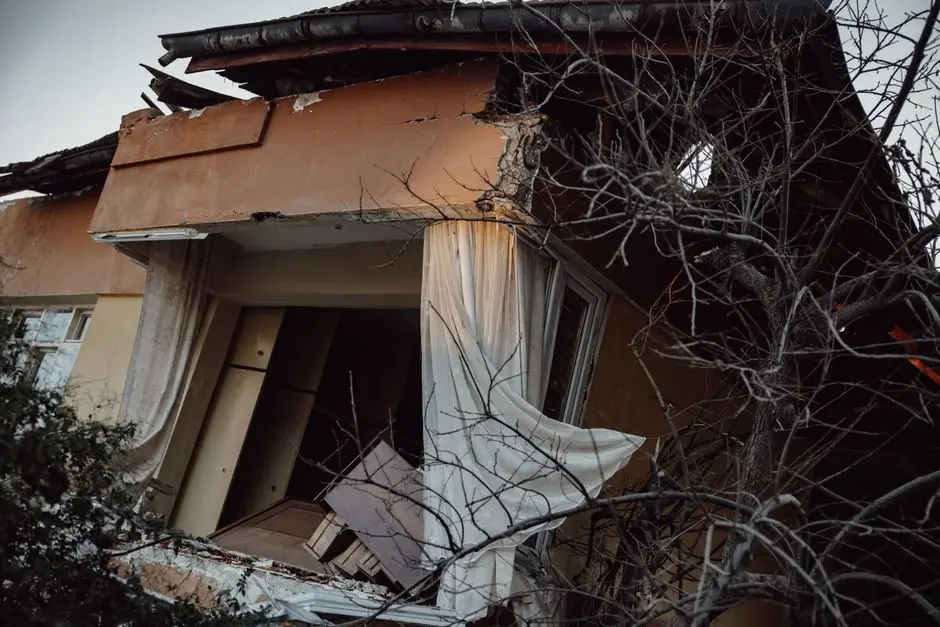 Water Damage RestorationFull-scope repair after a water loss, from extraction through drywall, paint and flooring replacement. If your Bryan home needs more than a dry-out, this is the service that puts it back the way it was.Explore →
 Emergency Water RemovalFast standing-water removal for burst pipes, appliance failures and storm intrusion. We run 24/7 across Bryan so a 2 a.m. pipe break does not become a morning mold problem.Explore →
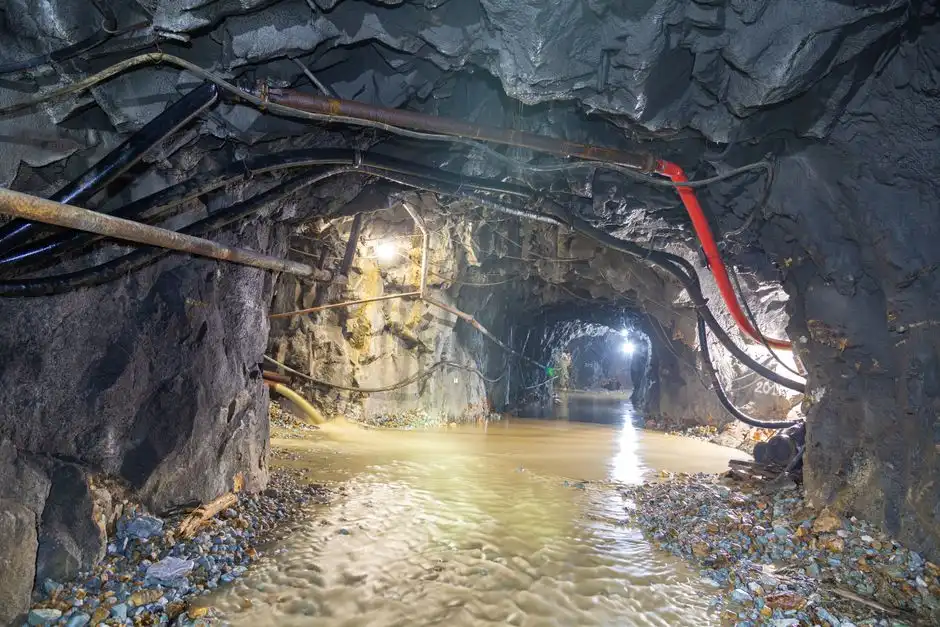 Water Extraction ServicesTruck-mounted and portable extraction that pulls water out of carpet, padding and hard flooring. This is the first step of every flood cleanup job and the one that saves the most material.Explore →
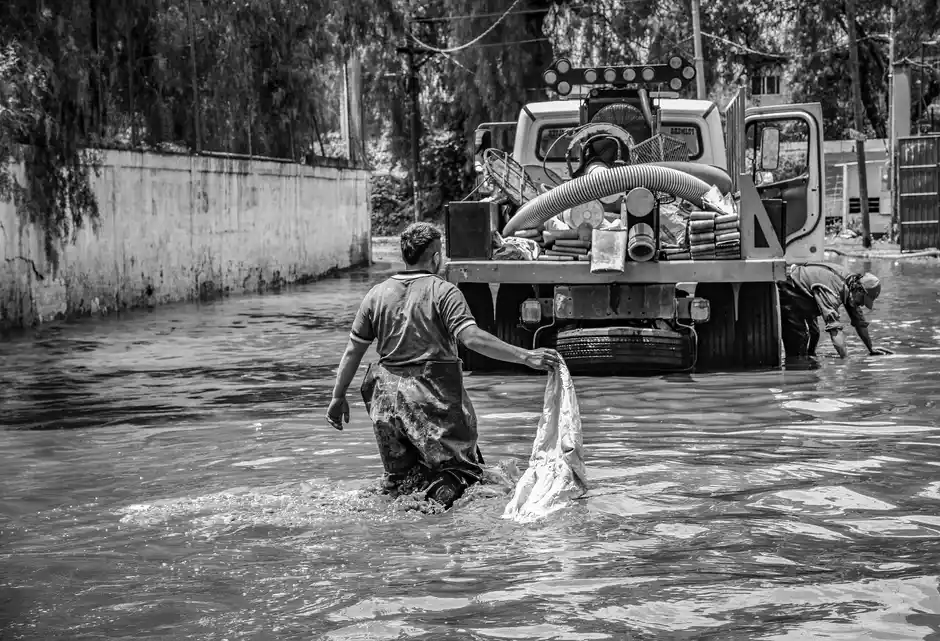 Basement Water RemovalBryan homes with basements and below-grade rooms collect water fast when the water table rises. We pump, extract and dry those spaces with equipment sized for low ceilings and limited airflow.Explore →
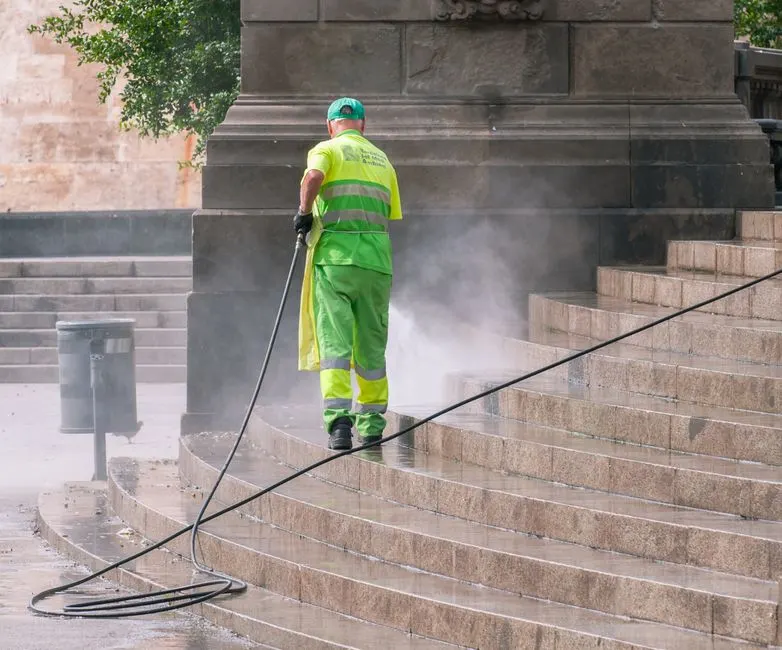 Crawl Space Water RemovalStanding water under a Bryan home drives humidity up through the whole floor. We remove it, dry the joists and treat for microbial growth before it reaches your living space.Explore →
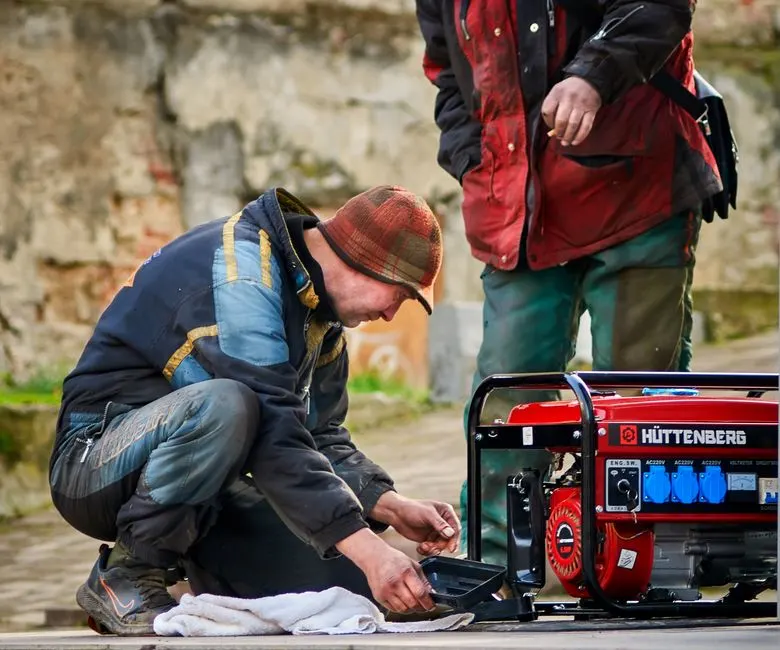 Sewage Backup CleanupCategory 3 water is a health hazard, not a mop job. We remove contaminated material, apply EPA-registered disinfectant, and restore the space to a safe condition with full containment.Explore →
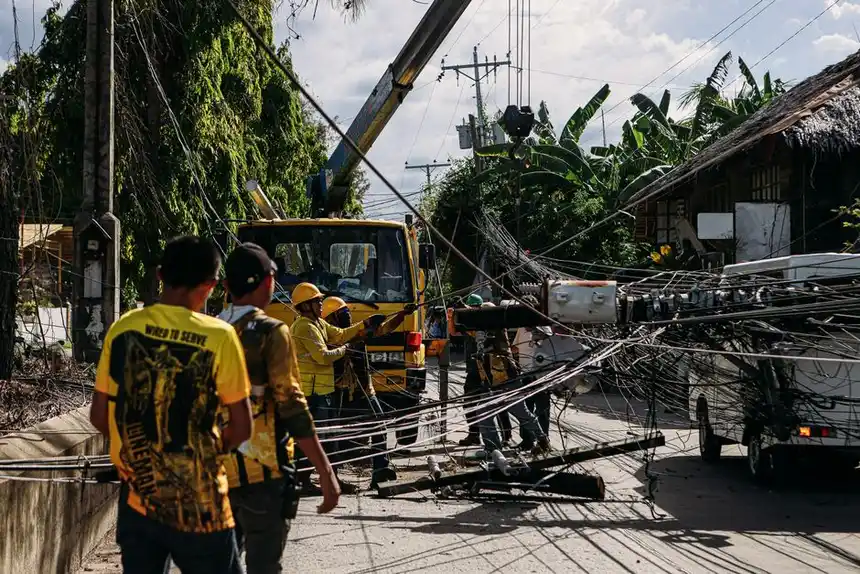 Storm Damage RestorationAfter a Brazos County storm pushes water through a roof or window, we tarp, extract and dry. One crew handles the whole sequence so you are not coordinating three contractors.Explore →
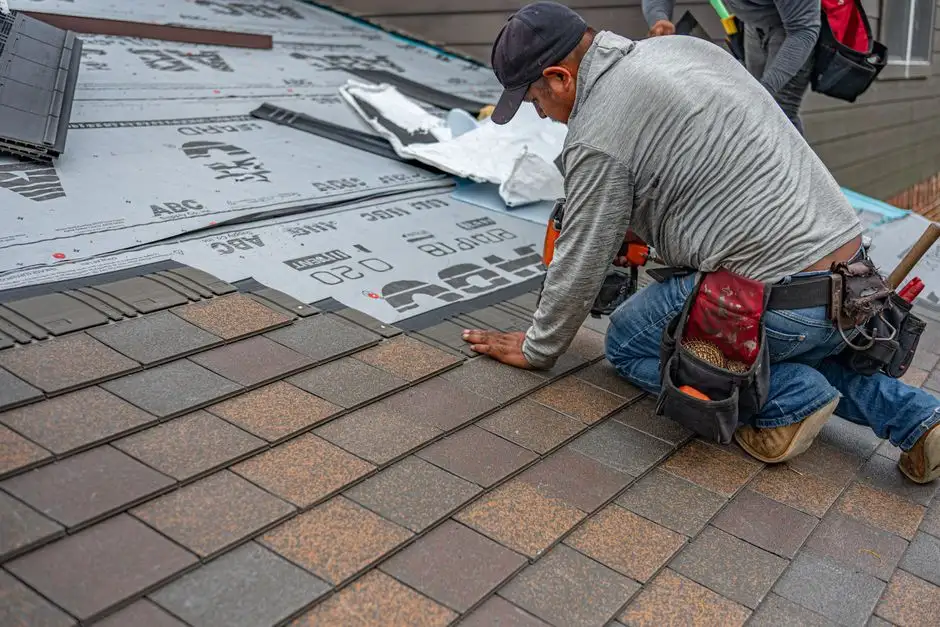 Roof Leak Water Damage RepairA slow roof leak stains the ceiling before you notice it. We trace the source, dry the attic and ceiling cavity, and repair the water-damaged drywall once the structure is dry.Explore →
Water sitting in your home gets worse every hour. Our Bryan crews are on call 24/7 with extraction equipment loaded and ready. One call and we are on the way. Call (979) 325-7976 now and we will start drying today.
Get Emergency Help (979) 325-7976 →If you have water damage, call us at (979) 325-7976. We answer 24/7 and dispatch crews around the clock. If you prefer email, send us a message at info@bryanrestorationpros.com and we will get back to you quickly. We serve all of Bryan and Brazos County, including ZIP codes 77801, 77802, 77803, 77805, 77807, and 77808.