Ink bleeding through pages within hours
We freeze the documents first to stop the ink from spreading, then dry them in a controlled chamber. Freezing buys days of working time that you do not get if the paper just sits in a humid room.
Document Drying and Restoration Bryan TX is built for the moment a pipe burst, roof leak or sewage backup soaks your files, deeds and tax records. We freeze, vacuum-dry and rebuild paper that most people would write off. Our IICRC-trained crews serve homes, law offices and churches across Brazos County, and we run 24/7 because mold starts colonizing wet paper in 48 hours. Call (979) 325-7976 and we roll.
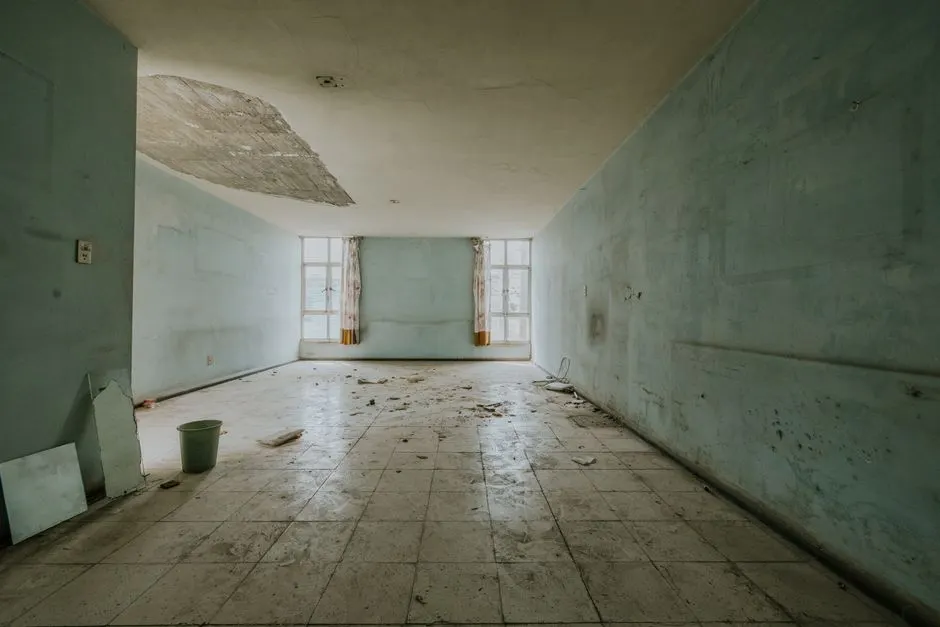
Document Drying and Restoration Bryan TX is the controlled process of stabilizing, drying and rebuilding paper records that have absorbed water, without the pages sticking, warping or growing mold. It is not a hair dryer and a fan. We log every box, separate coated and uncoated stock, then choose vacuum freeze-drying, thermal drying or desiccant drying based on ink type, paper weight and how long the documents sat wet. A moisture meter and hygrometer tell us the real starting point before anything moves.
Bryan homeowners call us most often after a slab leak soaks a home office, a storm pushes water under a door, or a washing machine supply line lets go overnight. Paper is a sponge. At 60 percent relative humidity, a wet file box can grow visible mold in two to three days, and inkjet and ballpoint ink starts feathering within hours. That is why document drying near me Bryan searches spike after every big rain. Getting the boxes into a controlled drying chamber fast is the whole game.
Every job starts with an on-site assessment and a written inventory. From there, the scope depends on how wet the paper is, what kind of ink and stock it is, and whether the water was clean or contaminated. Here is what is standard on a Bryan document drying job.
We inspect the affected room with a moisture meter and thermal imaging camera to find how far the water traveled, then check the documents themselves for ink bleed, page fusion and mold. You get a straight answer on what can be saved before anything leaves your property.
Each box, binder and loose stack gets numbered, photographed and condition-noted. You receive a copy of the inventory at pickup. This is the record your insurance carrier and your own staff will work from when the documents come back.
Wet documents that cannot go straight into a drying chamber are frozen at roughly minus 20 degrees Fahrenheit. Freezing halts mold growth and stops pages from fusing, which buys time when a storm has half the county backed up on chamber scheduling.
Vacuum freeze-drying, desiccant drying or thermal drying, chosen based on paper type and ink. We log temperature and humidity through the cycle and verify dryness with a hygrometer before anything is released back to you.
Dried documents get surface-cleaned of silt and residue, flattened under weight, and returned to fresh boxes or rebound where needed. We restack them where you want them and hand over the final drying log with moisture readings.
We build the content loss file in Xactimate-compatible format, with photos and itemized counts, so your claim moves. If your adjuster needs additional detail on a specific box, we can pull the original condition notes.
You call (979) 325-7976 and describe what got wet. We ask about the water source, how long the paper sat, and whether it was clean water or a sewage backup. That call takes five minutes and tells us whether to bring freeze-drying equipment or a standard drying setup. Same-day pickup is standard on emergency calls in Bryan.
Our technicians box, label and photograph every file, ledger and book before it leaves your property. Each box gets a number and a condition note. You keep a copy of the inventory. This is the step that protects you if a client or an adjuster later asks exactly what was in the room.
Wet paper that cannot be dried immediately goes into a freezer at roughly minus 20 degrees Fahrenheit. Freezing stops mold, stops ink bleed and stops pages from fusing together. Documents can safely stay frozen for months while we schedule chamber time, which matters when a storm hits half of Brazos County at once.
In the chamber we run vacuum freeze-drying for coated stock, or desiccant and thermal drying for standard bond paper. A hygrometer and moisture meter check progress every few hours. Most residential jobs finish in 3 to 7 days. Thick ledgers and photo albums take longer because the interior pages dry slower than the edges.
Once paper reads dry, we clean off silt and residue, flatten curled pages under weight, and rebind or re-box what needs it. We deliver back to your address in Bryan, restack the boxes where you want them, and hand you the drying log with final moisture readings. Nothing gets returned until it passes that check.
Purpose-built equipment, used by trained technicians — so the job is done accurately the first time.
The gold standard for coated paper, bound books and photo albums. Sublimates ice directly to vapor so pages never bond together, and it recovers documents that other methods destroy.
Pulls moisture out of the drying room air and holds it under 30 percent relative humidity. This is what actually drives water out of standard bond paper during a thermal drying cycle.
Reads the actual moisture content of paper and the humidity of the room. We check both through the cycle and will not release documents until the readings confirm they are dry through the spine.
Finds hidden water behind walls and under floors before we pack out documents. Knowing the full extent of the moisture stops us from returning dry files into a still-wet room.
Contains mold spores and dust in the drying area so clean documents are not cross-contaminated. Standard setup on any load that shows early mold growth.
Knocks down the musty smell that floodwater and wet paper leave behind. We treat the storage room after drying so restored files do not come back into a building that still smells like the loss.
Our air movers and dehumidifiers come from the brands that hold up on commercial drying jobs. Same gear you will see on any IICRC-standard water loss in Brazos County.
A slab leak under a home office in Oakwood soaked the carpet and the bottom two boxes of a filing cabinet. The homeowner found it three days later when the baseboards started to swell. The bottom boxes were saturated and showing early mold spots.
We extracted the water, treated the affected boxes with antimicrobial solution, and ran them through desiccant drying. Six days later, all 340 documents came back flat, readable and mold-free. Final moisture readings confirmed the paper was dry through the spine.
A roof leak over a Downtown Bryan law office dripped through the ceiling onto 60 boxes of client files over a weekend. The top layer of each box was soaked, and about a dozen boxes had water standing in the bottom. Active case files were mixed in with closed archives.
We inventoried all 60 boxes, froze the worst-saturated files, and staged the active cases for priority chamber time. Active files returned in nine days and the full archive in three weeks. Roughly 95 percent of documents were recovered with no loss of legibility.
A pipe burst in a church fellowship hall and soaked 40 years of membership ledgers, photo albums and old bound records. The albums had been sitting wet for two days before anyone found them, and the pages were starting to fuse at the edges.
We separated the salvageable from the unsalvageable, froze the albums for vacuum freeze-drying, and ran the ledgers through desiccant drying. About 90 percent of the archive came back readable, including bound ledgers from the 1980s that the church had written off.
Wet paper is a clock. These are the problems Bryan customers call us about most, and what happens when they wait.
Ask a pro →We freeze the documents first to stop the ink from spreading, then dry them in a controlled chamber. Freezing buys days of working time that you do not get if the paper just sits in a humid room.
Vacuum freeze-drying pulls moisture out as vapor without ever letting the pages get wet enough to bond. It is the only method that reliably separates coated stock, and it is what we use on photo albums and brochures.
We move wet boxes into a controlled environment fast, run HEPA filtration and negative air machine setups, and apply antimicrobial solution where needed. Stopping mold early is what keeps a restorable box restorable.
We inventory every box with photos and condition notes before it leaves your property, in the format adjusters expect. That documentation is usually the difference between a claim paid in weeks and one stuck for months.
“A supply line let go behind our washer and soaked two file boxes in the hall closet, including our kids' birth certificates and our deed. Bryan Restoration Pros picked them up the same afternoon, froze them, and had everything back in nine days. The pages were flat and readable. They also logged every single document for our insurance claim, which saved us a fight with the adjuster.”
Marissa T.Homeowner, Carter Creek
✓ Verified“Our law office took water through a roof leak over a weekend. About 60 boxes of client files got wet. Their crew inventoried everything before it left the building and staged the drying so the active case files came back first. We were working out of restored files within two weeks. I have used other vendors in Brazos County and none of them documented the loss this well.”
Dale R.Office Manager, Downtown Bryan
✓ Verified“A pipe burst in our fellowship hall and soaked 40 years of membership records and old photo albums. I figured they were gone. Their technicians told me honestly which albums were too far gone and which ones they could save, then saved more than I expected. The freeze-drying brought back ledgers I thought we would have to rebuild from scratch.”
Pastor Jim H.Church Administrator, Bryan Heights
✓ VerifiedMost residential document drying jobs in Bryan run $250 to $900, and small single-box jobs can land under $200. Commercial archive work with hundreds of boxes prices higher, often $1,500 to $6,000 depending on volume and paper type. Freeze-drying costs more per box than desiccant drying because of chamber time. We give you a written range before pickup, and if your homeowners policy covers contents, most of that cost goes to the claim.
Yes, in most cases, even paper that has been wet for several days. Freeze-drying recovers roughly 90 to 95 percent of documents that were not sitting in sewage or floodwater for over a week. The exceptions are pages that already grew heavy mold, coated glossy stock that fused together, and documents soaked in contaminated water. We assess each box and tell you honestly which ones are worth the chamber time.
Standard residential jobs finish in 3 to 7 days. Vacuum freeze-drying runs 1 to 3 weeks because the cycle is slower and gentler on coated paper and bound books. If your documents go into the freezer first, add that hold time, which can be days or weeks depending on chamber scheduling. We give you a target return date at pickup and call if anything shifts.
We routinely restore tax returns, deeds, contracts, medical files, blueprints, photographs, books, ledgers and bound records. Standard bond paper, cardstock and most inkjet and laser printing dry well. Glossy photo paper and thermal fax paper are the hardest and sometimes lose legibility. If you are not sure what you have, send us a photo of the box and we will tell you what is realistic before you commit.
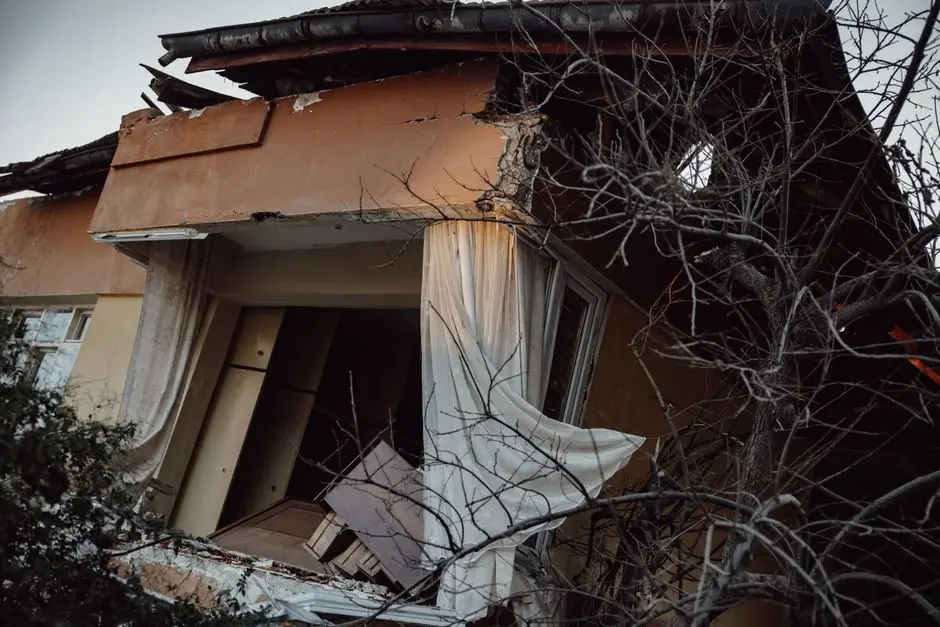 Water Damage RestorationDocuments rarely get wet alone. When a supply line fails, the same water hits drywall, carpet and furniture. We handle the full room, not just the file boxes, so nothing stays damp behind the walls while your records dry.Explore →
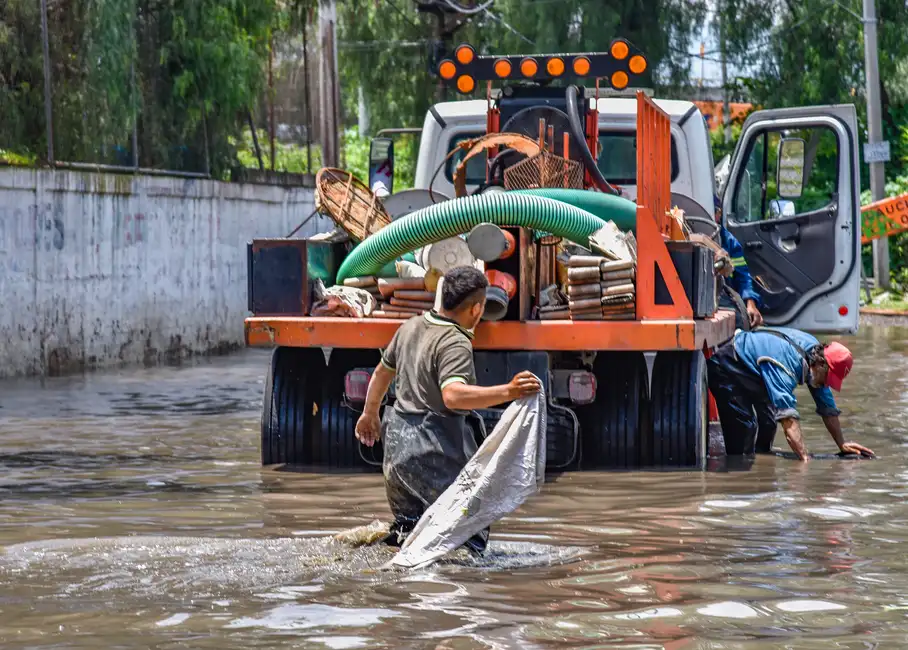 Emergency Water RemovalStanding water keeps wicking into paper until it is gone. Our extraction crews pull water out fast, which shortens how long your documents sit soaked and improves the odds the drying chamber can save every page.Explore →
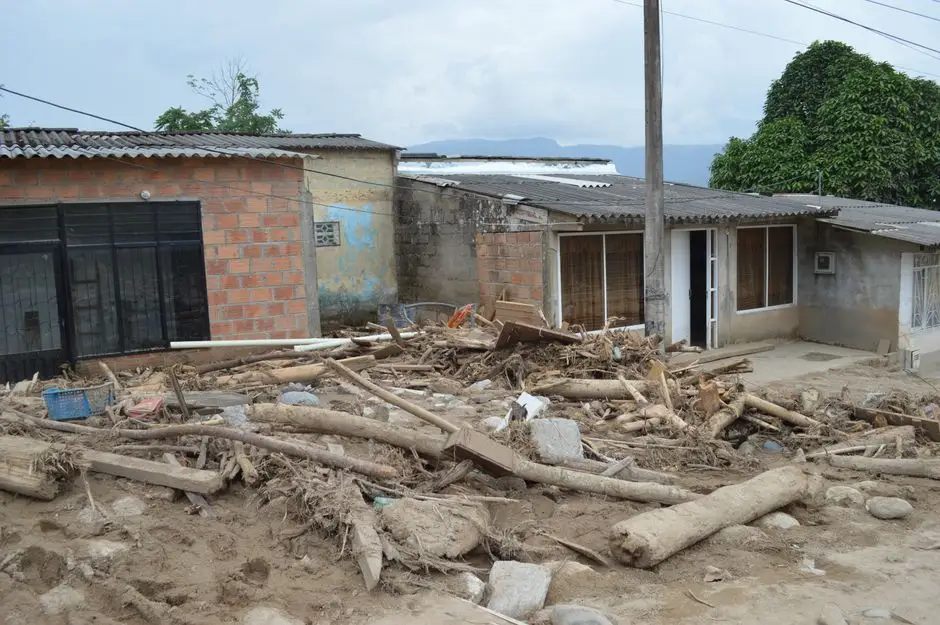 Flood Damage CleanupFloodwater carries silt and bacteria that soak into paper along with the water. We treat contaminated document loads differently, with disinfection steps before drying, and we tell you upfront which items are salvageable.Explore →
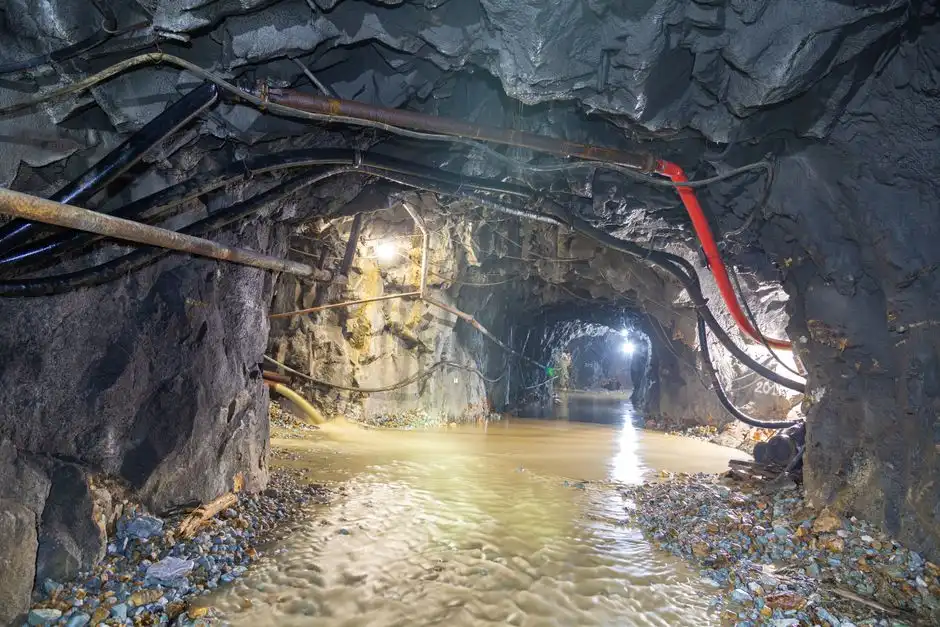 Water Extraction ServicesTruck-mounted extraction pulls hundreds of gallons out of a flooded office in hours. Getting the room dry fast means the humidity around your remaining files drops, which slows mold while we pack out the wet boxes.Explore →
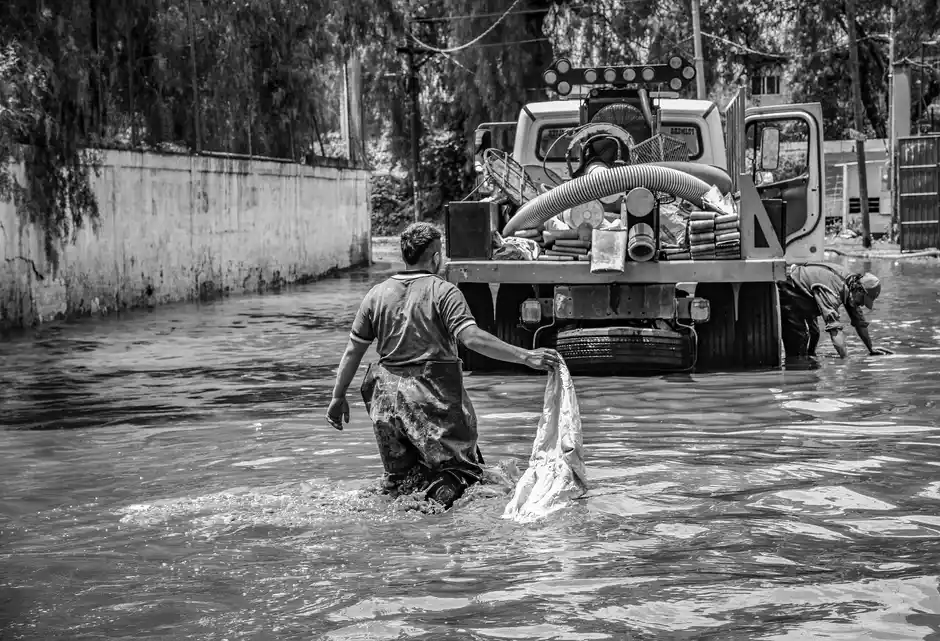 Basement Water RemovalBryan basements and storm cellars collect seepage that soaks stored boxes from the bottom up. We pump the space dry, then inventory and pack out the records sitting in that water before mold sets into the cardboard.Explore →
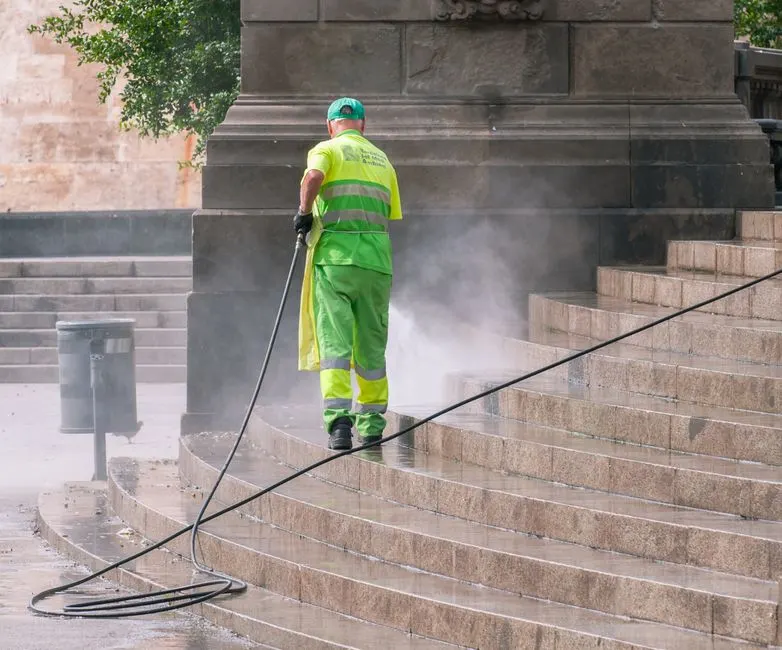 Crawl Space Water RemovalA wet crawl space pushes humidity up through the floor into everything above it, including file cabinets. Drying the crawl space protects documents you did not even know were at risk from rising moisture.Explore →
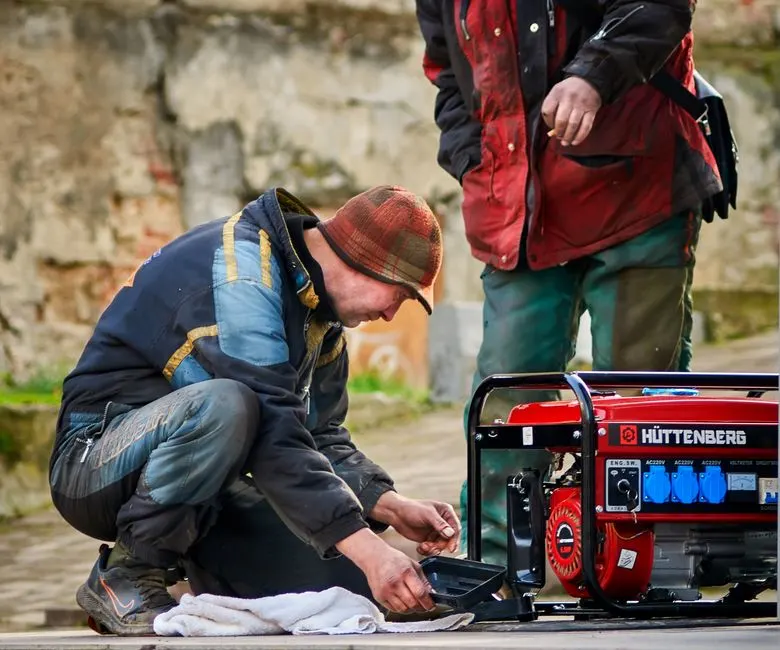 Sewage Backup CleanupSewage-contaminated water is a different category of loss, and paper soaked in it needs disinfection before drying. We handle the cleanup and assess which documents can still be restored versus which must be destroyed.Explore →
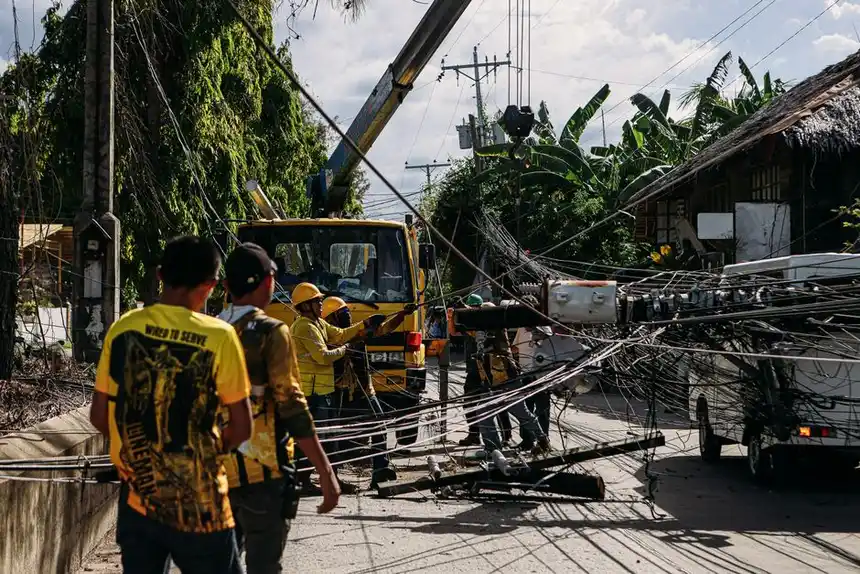 Storm Damage RestorationAfter a Brazos County storm, roof leaks and blown-in rain soak home offices and church archives. We tarp, extract and dry, then move wet records into the chamber before the next round of humidity hits.Explore →
Every hour a wet box sits, the odds of losing it go up. Call (979) 325-7976 and we will triage your documents over the phone, then dispatch a crew for same-day pickup anywhere in Bryan. Free assessment, honest answer on what can be saved.
Call for Pickup (979) 325-7976 →If you have water damage, call us at (979) 325-7976. We answer 24/7 and dispatch crews around the clock. If you prefer email, send us a message at info@bryanrestorationpros.com and we will get back to you quickly. We serve all of Bryan and Brazos County, including ZIP codes 77801, 77802, 77803, 77805, 77807, and 77808.